By: Lois Lane
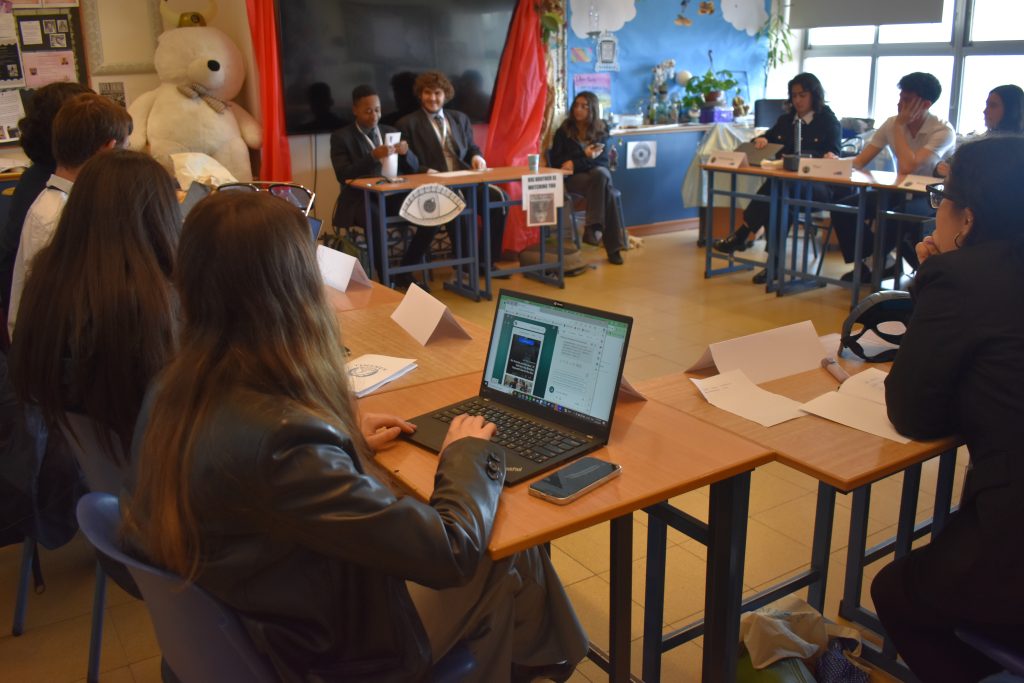
The African Union committee has officially taken on the high-stakes challenge of restoring security to the Horn of Africa. While the broader agenda includes the critical issue of animal trafficking, the floor is currently dominated by the persistent threat of maritime piracy. The problem is clear: instability on land in Somalia has spilled into the ocean, threatening international trade and regional safety. The committee’s task is to find a way to stop the immediate attacks while simultaneously fixing the broken systems that allow piracy to thrive in the first place.
In a rare move that has electrified the room, the AU Chairs have allowed the committee to split into two specialized blocs to work on twin resolutions. This “one-two punch” strategy is designed to address the crisis from both the tactical and the structural ends. Leading the short-term solution bloc, the delegation of South Africa is pushing for an immediate military shield. This plan focuses on “hard power” and direct intervention, advocating for the deployment of naval vessels along the Somali coast to deter pirates and secure the waters in real-time. It is a necessary “first response” to stop the bleeding and protect African maritime interests.
Complementing this military approach, the delegation of Morocco is heading up the long-term solution bloc. This group is drafting a roadmap for the internal recovery of Somalia, operating on the belief that you can not truly end piracy without giving people a reason to stay on land. Their resolution focuses on “soft power” initiatives, including heavy investment in education, international funding for infrastructure, and a complete reorganization of government institutions. By rebuilding the country’s foundation, this bloc aims to provide the economic stability that makes piracy a thing of the past.
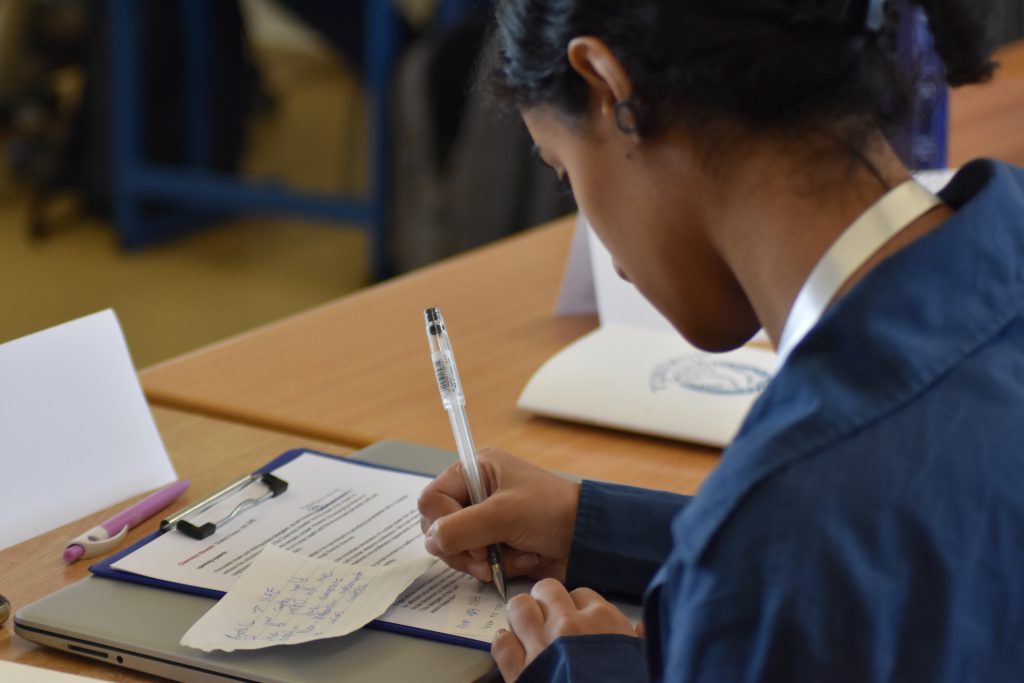
The atmosphere in the room is being described by those on the floor as total “fire.” There is a massive sense of consensus between the two blocs, with delegates moving away from traditional arguments and into a high-speed writing and refinement process. The prevailing logic is that South Africa’s ships will provide the security needed for Morocco’s schools and government reforms to actually take root. As the committee prepares to finalize these drafts, the energy remains high, marking a significant step toward an African-led solution for regional peace.
